_edited.png)
Home Inspection Process Explained What Buyers and Sellers Need to Know

A home can look perfect at a showing and still have a roof near the end of its life, a slow leak under the sink, or an electrical panel that needs attention. That’s why the home inspection process matters so much.
A home inspection gives buyers a clearer picture of what they’re purchasing. It also helps sellers understand what might come up before offers, negotiations, or closing day. It’s not about passing or failing a house. It’s about knowing the condition of the major systems so everyone can make better decisions.

What happens during a home inspection
A typical inspection usually takes a few hours, depending on the size, age, and condition of the home. The inspector walks through the property, checks visible and accessible areas, takes notes, and often photographs findings.
Buyers often attend the inspection, and it’s usually a good idea. You can ask questions, see issues firsthand, and learn basic maintenance tips. Sellers may or may not be present, depending on the local process and what the real estate agents arrange.
The inspector won’t open walls, move heavy furniture, or take apart systems. They’re looking at what they can safely see and access. After the visit, they provide a written report that explains their findings, often with photos and recommendations.
A home inspection is informational, not a guarantee that every hidden issue will be found. Still, it’s one of the best tools for understanding a property before a sale moves forward.
Key areas inspectors evaluate
Inspectors look at the home as a whole, but they pay close attention to the systems that can be costly, unsafe, or hard to repair.
The roof and exterior
The roof is one of the first big-ticket items inspectors review. They may check shingles, flashing, gutters, downspouts, skylights, chimneys, and signs of water damage. They’ll also look at siding, grading, drainage, windows, doors, decks, stairs, railings, and exterior outlets.
Common roof and exterior findings include:
Missing or damaged shingles
Clogged or loose gutters
Soft wood around trim or decks
Poor drainage near the foundation
Cracks in walkways or steps
Plumbing systems
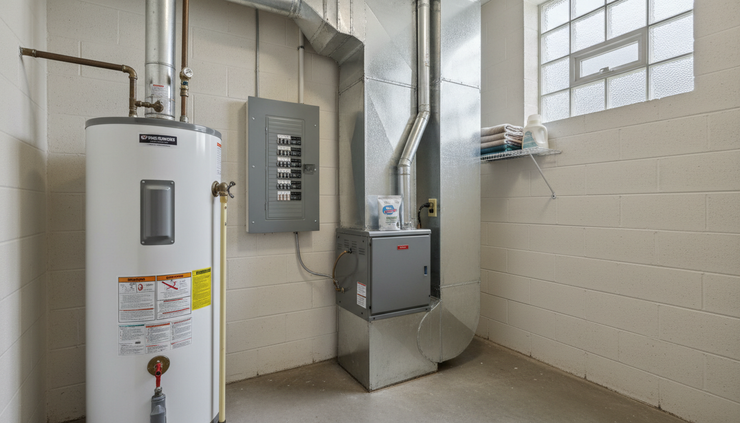
Inside the home, the inspector checks visible plumbing fixtures and pipes. This usually includes sinks, toilets, showers, tubs, water heaters, and accessible supply and drain lines.
They’ll run faucets, flush toilets, look for leaks, and check for signs of past water damage. Plumbing issues can be small, like a loose toilet, or more serious, like an aging water heater or signs of active leaking.
Electrical systems
Electrical problems can affect safety, so inspectors take this part seriously. They may review the main electrical panel, visible wiring, outlets, switches, and GFCI protection near water sources.
They’re looking for concerns such as exposed wiring, overloaded panels, improper breaker sizes, missing covers, or outlets that don’t work. Older homes may also have outdated electrical components that need further review by a licensed electrician.

Foundation and structure
The inspector will look for signs of movement, cracking, moisture, or settling in the foundation and structural areas. This might include the basement, crawl space, attic, floors, walls, and ceilings.
Some cracks are common as homes settle. Others may need a closer look. The report may recommend a structural engineer if the inspector sees signs of a larger concern.
Heating, cooling, and ventilation
Inspectors usually check the heating and cooling systems, thermostat response, visible ductwork, vents, and basic operation. They may also review attic ventilation and visible insulation.
They won’t usually give a full HVAC service assessment, but they can flag age, wear, unusual noises, poor airflow, or systems that don’t turn on.
Why inspections matter for buyers and sellers
For buyers, an inspection can bring peace of mind. It helps answer a simple question: “What am I really buying?” If the report shows serious issues, buyers may ask for repairs, request a credit, renegotiate, or decide the home isn’t the right fit.
For sellers, an inspection can reduce surprises. Some sellers choose to get a pre-listing inspection before putting the home on the market. That can give them time to fix problems, gather repair receipts, and price the home with more confidence.
Inspection results can affect the sale in several ways:
Finding | Possible effect on the sale |
Minor maintenance items | Usually handled with simple repairs or buyer awareness |
Safety concerns | May lead to repair requests before closing |
Major system problems | Can affect price, negotiations, financing, or buyer confidence |
Unclear structural concerns | May require a specialist’s opinion before moving forward |
The goal isn’t to turn every loose doorknob into a major issue. The real value is knowing which items are routine and which ones deserve attention.

Common issues that come up during inspections
Most inspection reports include a mix of small repairs, maintenance notes, and a few items that need more attention. That’s normal, even in well-kept homes.
Common findings include:
Roof wear or damaged flashing
Slow drains or minor leaks
Missing GFCI protection near sinks
Cracked caulk around tubs or windows
HVAC systems that need servicing
Water stains from old or active leaks
Poor grading that sends water toward the home
Deck railings or stairs that feel loose
Some issues are simple fixes. Others can slow down a sale if they raise safety, cost, or financing concerns. For example, a missing outlet cover may be easy to handle. A wet basement or failed roof may lead to deeper negotiations.
This content is general information only. Local contract rules, repair requests, and inspection timelines can vary, so it helps to talk with your real estate professional about your specific situation.
How homeowners can prepare for an inspection
A little prep makes the visit smoother and helps the inspector do a better job.
Before inspection day, try to:
Clear access to the attic, basement, crawl space, water heater, electrical panel, and HVAC equipment
Replace burned-out light bulbs so they aren’t mistaken for electrical issues
Test smoke and carbon monoxide detectors
Fix small leaks, running toilets, and loose handrails if you already know about them
Unlock gates, garages, sheds, and utility areas
Change HVAC filters
Remove items from under sinks so plumbing is easy to see
Keep pets secured and out of the inspector’s path
Sellers don’t need to make the home perfect. The point is to make sure the inspector can safely access what they need to review.
Buyers should bring questions and take notes, but avoid interrupting every step. A good inspector will usually pause at key moments and explain what they’re seeing.
FAQ
Is a home inspection required?
Not always. Many buyers choose one even when it isn’t required because it gives them useful information before closing. Some loan types or local situations may require certain inspections or repairs.
How long does a home inspection take?
Most inspections take a few hours. Larger homes, older homes, or properties with extra systems can take longer.
Can a house fail an inspection?
No. A home inspection isn’t a pass-or-fail test. It’s a condition report. The buyer, seller, and agents decide what happens next based on the findings and the purchase agreement.
Who pays for the home inspection?
In many transactions, the buyer pays for the inspection. Sellers who order a pre-listing inspection pay for that inspection themselves.
Should sellers fix everything before listing?
Not always. Focus on safety concerns, obvious maintenance issues, and items that could worry buyers. Some repairs are worth doing upfront, while others may be better handled through pricing or negotiation.
The takeaway for a smoother sale
A home inspection can feel stressful, but it’s really a helpful checkpoint. Buyers get a clearer view of the home’s condition. Sellers get a better sense of what may come up before closing. And both sides can make decisions with fewer surprises.
If you’re getting ready to buy or sell and want help understanding how inspections fit into the process, get in touch with Anjali Gill. A little guidance before inspection day can make the whole experience much easier.


Comments